Change Your Woodworking Experience: A Comprehensive Introduction of Modern Machinery Options
Modern woodworking is advancing with the introduction of innovative equipment. CNC routers and laser cutters boost precision and performance, making them invaluable to woodworkers. These devices enable for complex designs while lessening waste. The selection procedure can be overwhelming. Comprehending the essential functions and how to integrate these technologies right into traditional methods is vital. What variables should one think about when choosing the appropriate machinery? The answers might transform a woodworker's method.
The Rise of CNC Routers in Woodworking
As woodworking proceeds to develop, the introduction of CNC routers has transformed typical practices into innovative production procedures. These computer-controlled makers enable specific cutting, shaping, and engraving of wood, considerably enhancing the performance and precision of woodworking tasks. Unlike hands-on methods, CNC routers can duplicate layouts with consistent high quality, lowering the risk of human error.
The flexibility of CNC routers makes them ideal for a broad array of applications, from detailed makings to large-scale production runs. They can take care of intricate geometries and various materials, accommodating both hobbyists and professional woodworkers.
In addition, the combination of CAD (Computer-Aided Design) software application facilitates the smooth shift from layout to production, enabling faster project turn-around times. Therefore, CNC routers are becoming significantly popular, allowing woodworkers to push the limits of creativity while maximizing their process. This technological advancement notes a noteworthy modification in the woodworking landscape.
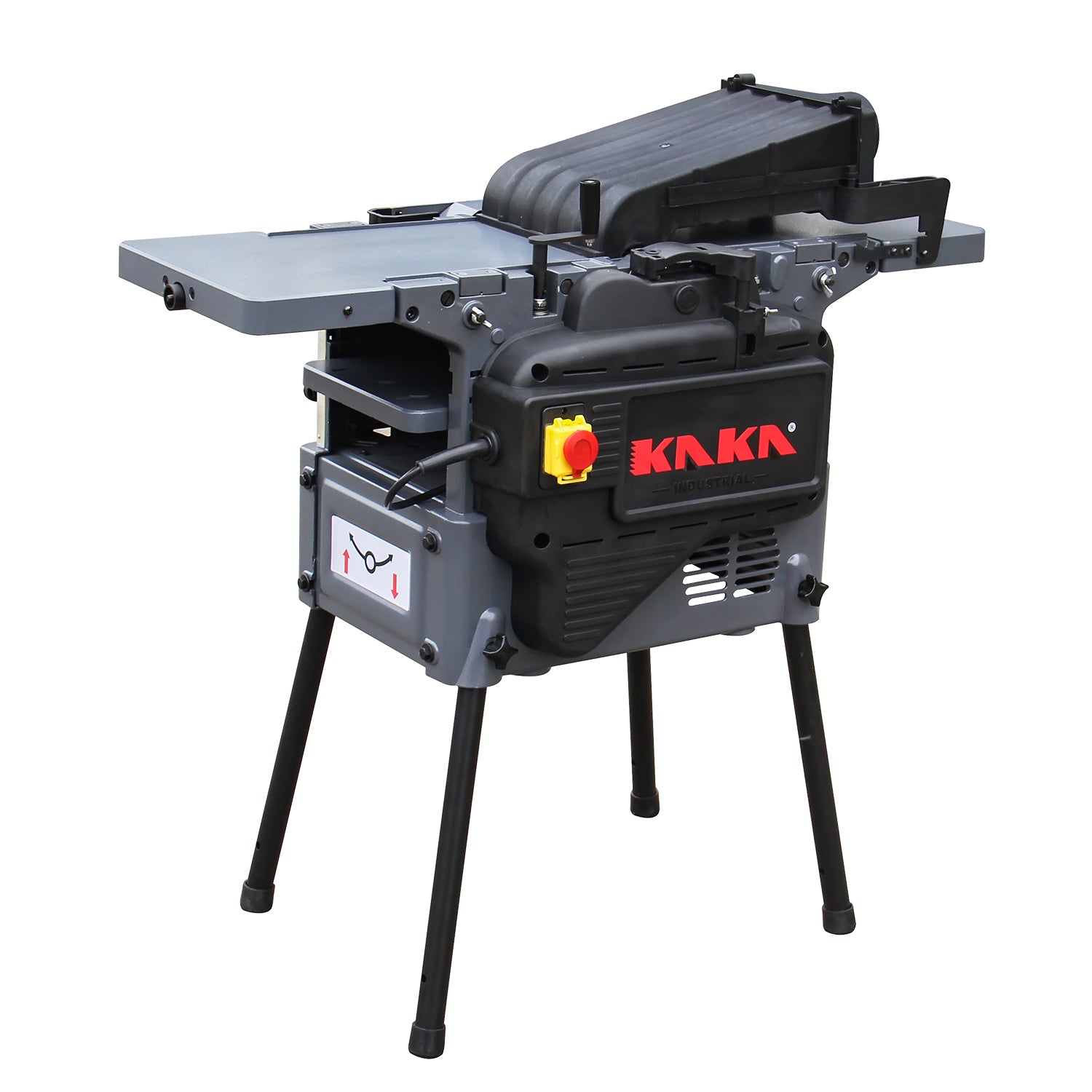
Discovering the Conveniences of Laser Cutters
An expanding number of woodworkers are discovering the advantages of laser cutters, which offer exceptional accuracy and adaptability in forming wood and various other materials. These machines utilize extremely focused laser beam of lights to reduce, etch, and engrave styles with remarkable precision, permitting detailed details that conventional methods might battle to attain. The ability to rapidly create intricate patterns can significantly improve efficiency, allowing artisans to total projects in a fraction of the time.
Additionally, laser cutters generate very little waste, as the reducing procedure is precise and lowers excess material. This performance not just conserves sources however also minimizes costs connected with resources. In addition, their adaptability permits woodworkers to trying out a variety of products beyond timber, including acrylic and textile, expanding imaginative opportunities. Subsequently, laser cutters are becoming essential devices in modern woodworking, attracting both hobbyists and professionals aiming to raise their craft.
Essential Functions to Search For in Modern Equipment
When picking modern-day woodworking tools, 3 important attributes stand apart: adaptability, resilience, and precision. Accuracy warranties that every cut, joint, or coating is precise, leading to professional-quality results. Devices that offer superb accuracy not only enhance the workmanship however likewise minimize waste, saving time and resources.
Toughness is essential for long life and constant performance. High-quality materials and robust building and construction safeguard against wear and have a peek at this site tear, enabling tools to stand up to rigorous usage in different woodworking projects.
Convenience permits a single device to perform numerous functions, making it an important enhancement to any kind of workshop. Tools that can adapt to various jobs and materials enhance performance and lower the demand for extreme tools.
Exactly how to Choose the Right Equipment for Your Jobs

Furthermore, budget restrictions typically determine machinery options. Premium devices can be costly, however purchasing reputable tools can enhance efficiency and result quality.
Power demands and the schedule of replacement components also merit consideration, specifically for long-term maintenance.
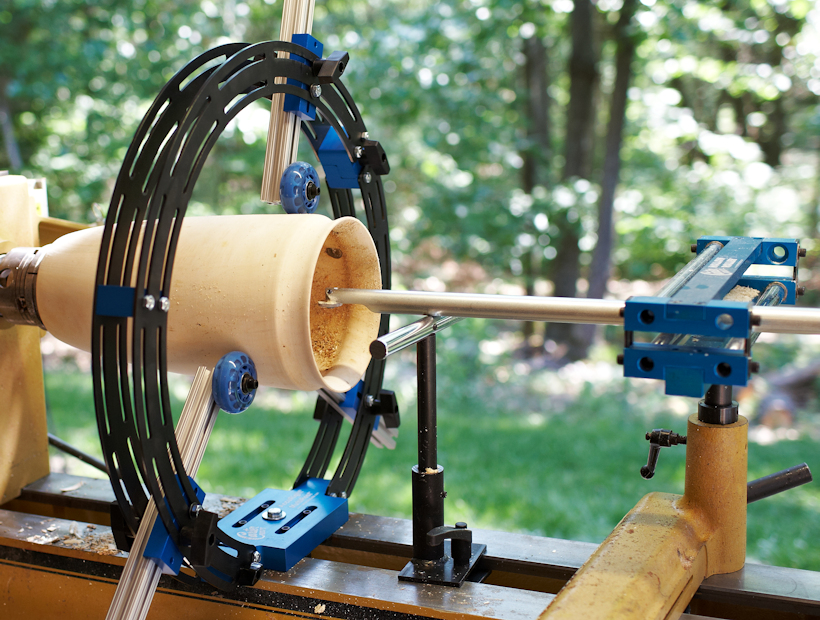
Tips for Integrating Innovation Into Standard Woodworking Techniques
Incorporating modern technology into standard woodworking methods can enhance workmanship and performance. Woodworkers can begin by utilizing electronic style software application to develop exact strategies and designs, enabling more accurate cuts and joints. These programs can also assist in the exploration of complex layouts that might be challenging by hand.
Integrating CNC machines can in addition improve manufacturing, making it possible for craftsmens to duplicate detailed patterns with consistency. It is necessary to maintain the responsive experience of woodworking; incorporating CNC work with hand-finishing techniques can generate exceptional outcomes.
Embracing laser engraving tools permits personalization and comprehensive embellishments, adding a modern touch to traditional pieces. In addition, utilizing digital calipers and laser levels can enhance measurements, making sure greater precision straight from the source in every job. By blending these technologies with classic methods, woodworkers can protect the virtuosity of their craft while welcoming advancement.
Frequently Asked Questions
What Is the Average Life Expectancy of Modern Woodworking Machinery?
The ordinary life expectancy of modern woodworking equipment generally varies from 10 to 20 years, depending on upkeep, usage, and high quality. Lumber Stacker. Normal maintenance can expand this life-span, while disregard might lead to premature damage and breakdown
Just How Much Maintenance Do These Makers Typically Need?
Modern woodworking machinery usually calls for routine upkeep, including cleaning, lubrication, and routine assessments. This guarantees peak efficiency and long life, with many machines needing thorough servicing every 6 months to a year, depending upon use intensity.
Can I Utilize Traditional Strategies With Modern Machinery?
Yes, standard techniques can be effectively made use of together with modern machinery - Automated Gluing. Lots of craftsmens blend both strategies, improving efficiency while maintaining craftsmanship, enabling an unified assimilation of time-honored methods with modern devices in woodworking jobs
What Safety and security Includes Should I Search For in Woodworking Devices?
When selecting woodworking machines, one should prioritize security functions such as blade guards, Wood Glue Applicators emergency stop switches, anti-kickback tools, and dirt collection systems, guaranteeing a much safer working setting and minimizing the threat of accidents during procedure.
Are There Financing Options for Acquiring Modern Woodworking Equipment?
Lots of suppliers and stores offer funding options for buying modern woodworking equipment. These may include installment plans, renting contracts, and credit report choices, enabling purchasers to manage costs while buying vital devices for their woodworking jobs.
Modern woodworking is progressing with the intro of sophisticated equipment. When selecting modern-day woodworking devices, 3 necessary functions stand out: accuracy, resilience, and flexibility. The typical lifespan of modern-day woodworking equipment commonly ranges from 10 to 20 years, depending on maintenance, use, and top quality. Modern woodworking machinery normally needs routine upkeep, including cleaning, lubrication, and periodic evaluations. Several producers and stores use financing choices for purchasing modern-day woodworking machinery.